


Batik is more than just a fabric; it is a visual language, a narrative woven into cotton or silk. Yet, when we purchase mass-produced, off-the-rack Batik, we often inadvertently silence that story. While the convenience of a ready-to-wear shirt or dress is undeniable, it frequently comes at the cost of the garment’s soul. To truly honor the heritage of Batik, one must look beyond the price tag and consider the two pillars of sartorial excellence: pattern alignment and silhouette.
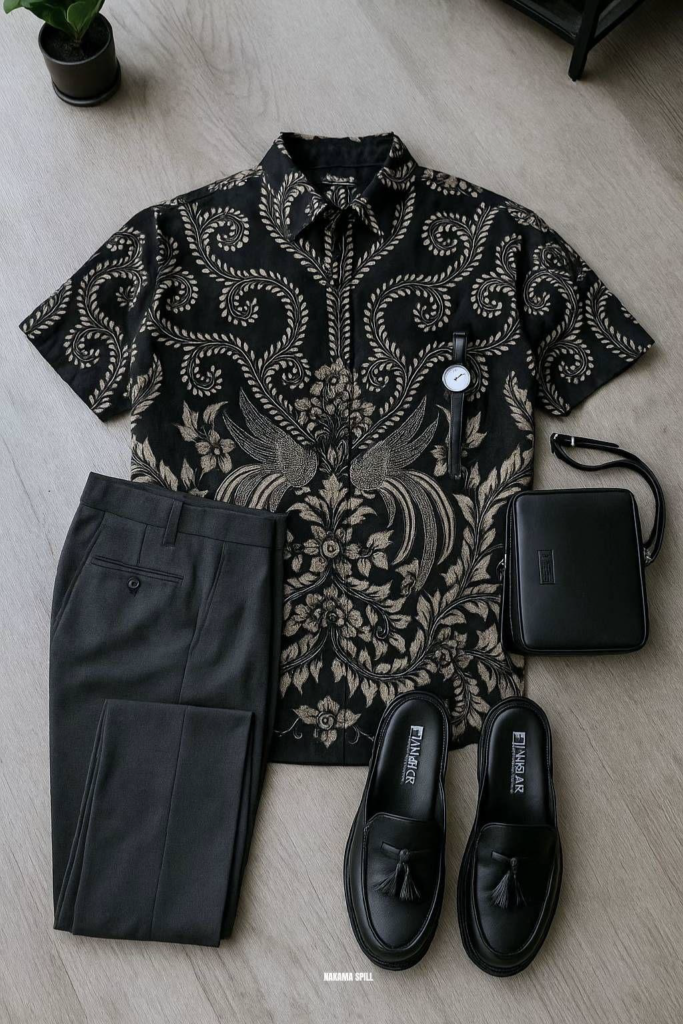
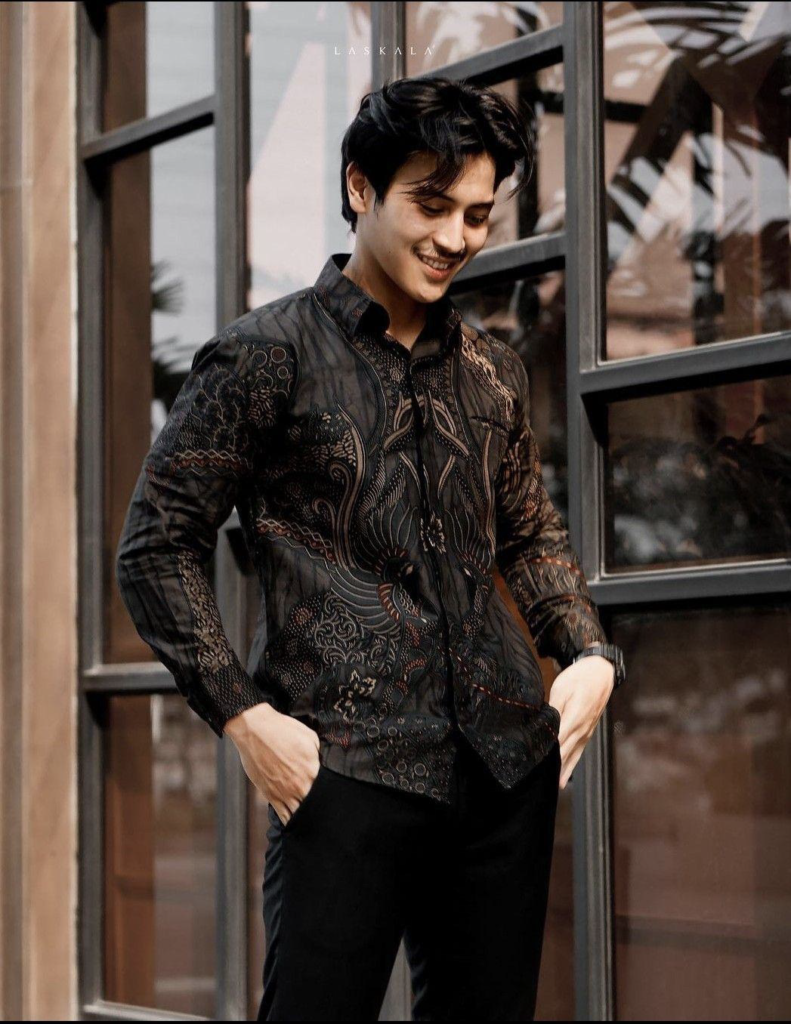
The most glaring casualty of mass production is the disruption of the “tumpal” or the continuous flow of the motif. In a high-quality, tailored Batik piece, the pattern is treated with the same reverence as a masterpiece painting. When a tailor cuts the fabric, they ensure that the motifs match seamlessly across the chest, the pockets, and the button placket. This creates a cohesive visual field where the design appears to float effortlessly across the body.
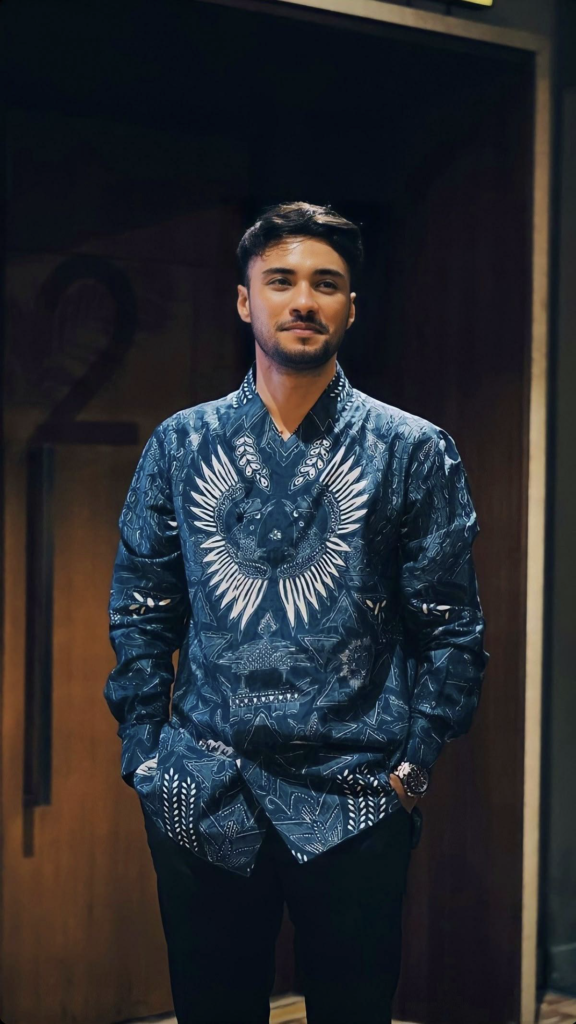
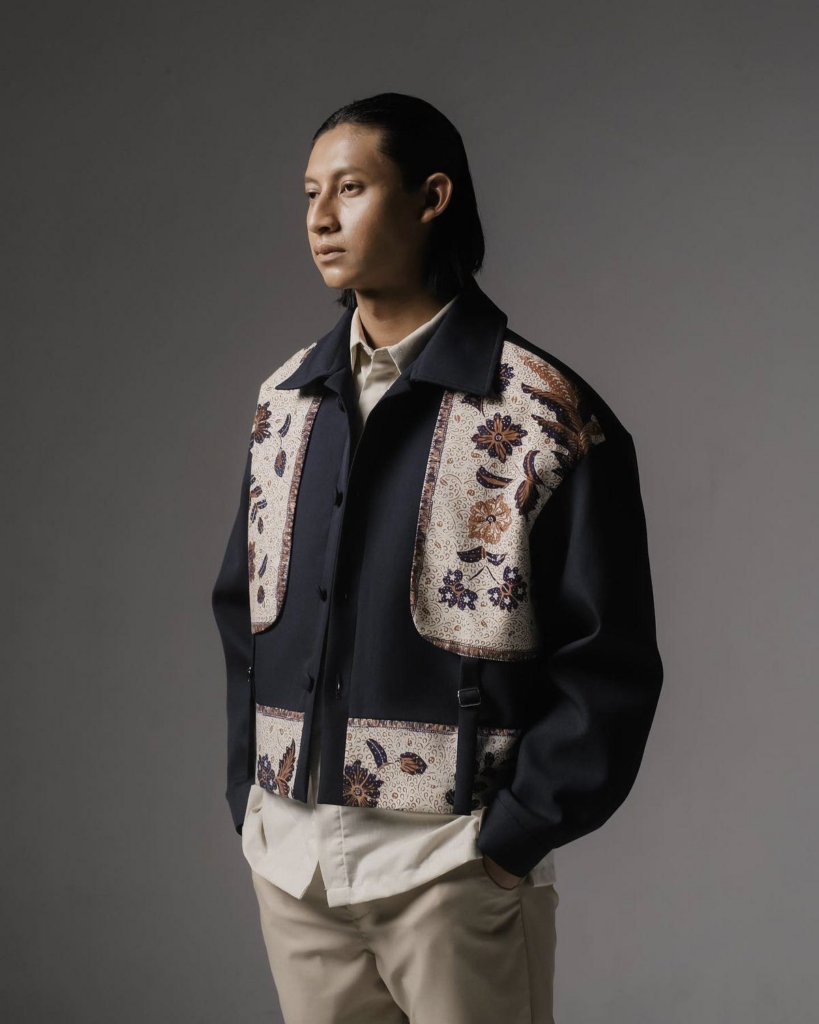
In contrast, off-the-rack garments are cut in bulk to minimize fabric waste and maximize profit. This results in “chopped” patterns where a majestic Parang or a delicate Megamendung is abruptly severed at the seams. When the left side of a shirt does not mirror the right, or when a pocket interrupts a central motif like a digital glitch, the garment loses its prestige. It no longer looks like a piece of art; it looks like a scrap of fabric forced into the shape of a shirt.
The Silhouette: Beyond the Boxy Standard
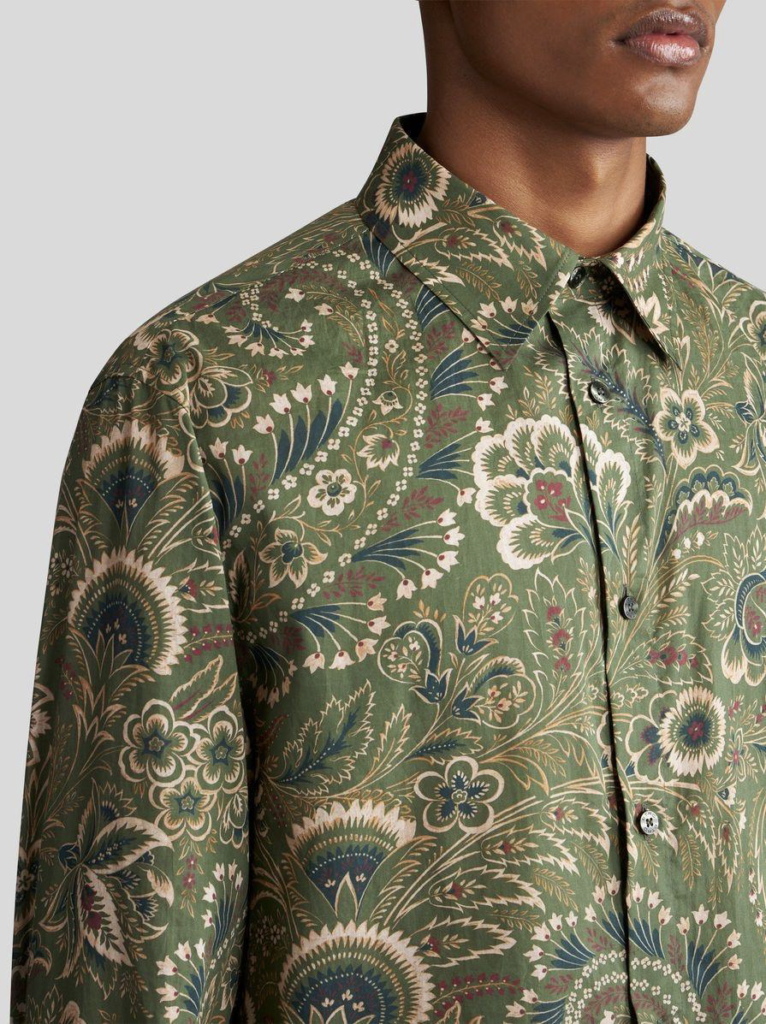
Mass-produced Batik is designed to fit the “average” body, which, in reality, fits almost no one perfectly. Because these items must cater to a wide demographic, they are often cut with a generic, boxy silhouette that ignores the nuances of the human form. This leads to the common issue of excess fabric pooling at the waist or shoulders that droop past the natural bone line, making the wearer look swallowed by the print rather than complemented by it.
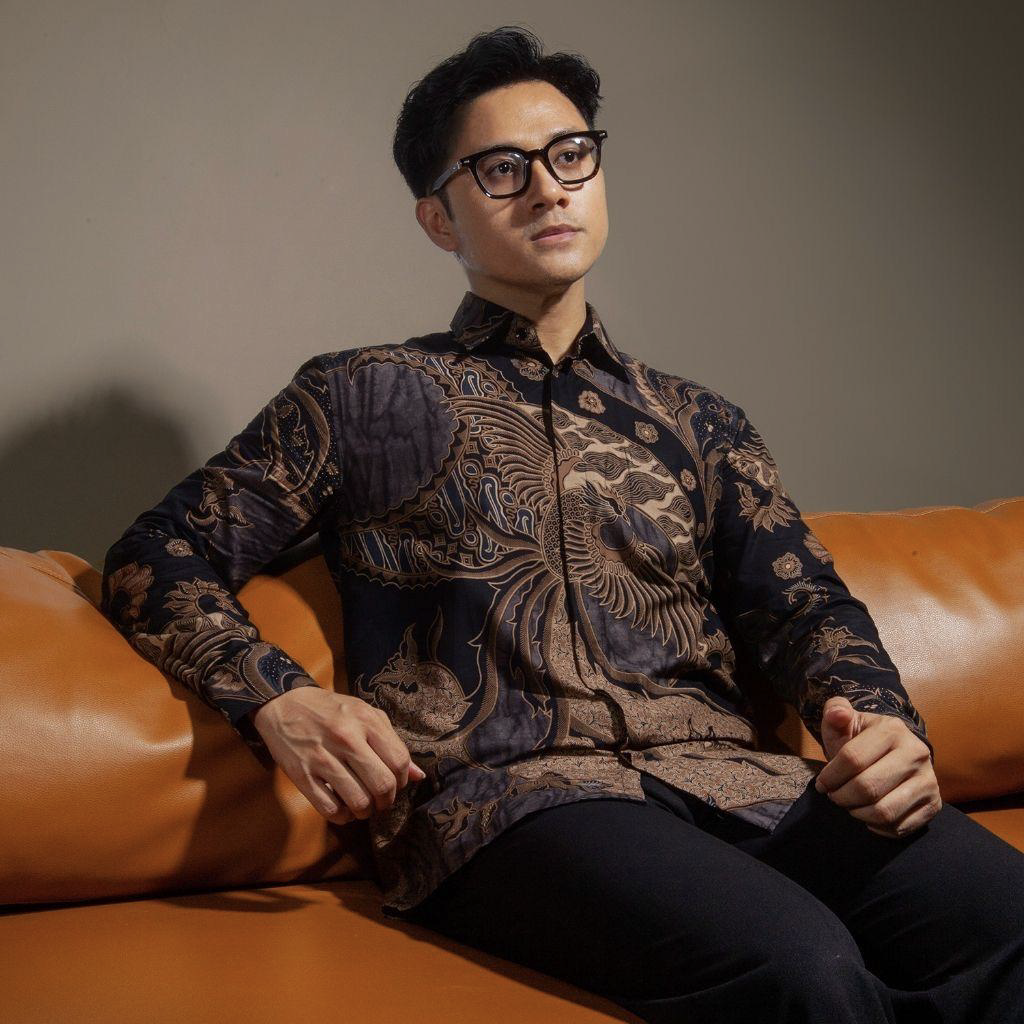
A custom-tailored Batik piece understands that the silhouette is the frame for the artwork. By opting for a bespoke fit, the garment is engineered to follow the specific contours of your frame. A slight taper at the waist or a precisely measured sleeve length ensures that the bold patterns of the Batik don’t overwhelm your stature. When the fit is precise, the complexity of the Batik pattern adds sophistication; when the fit is poor, the same pattern simply adds visual noise and bulk.
The Investment in Authenticity
Choosing a tailored approach is an act of preservation. It respects the artisan who spent weeks chanting the wax onto the cloth by ensuring their work is displayed in its best possible light. When you move away from the rack and toward a personal tailor, you are not just buying a shirt; you are commissioning a portrait of tradition that fits your life and your body perfectly.
The difference is felt the moment you put it on—the patterns align like a puzzle solved, and the fabric moves with you rather than against you. In the world of Batik, the “perfect fit” is where the precision of the tailor meets the patience of the artist.


